Guide to UK Farm Jobs with Visa Sponsorship (2026)
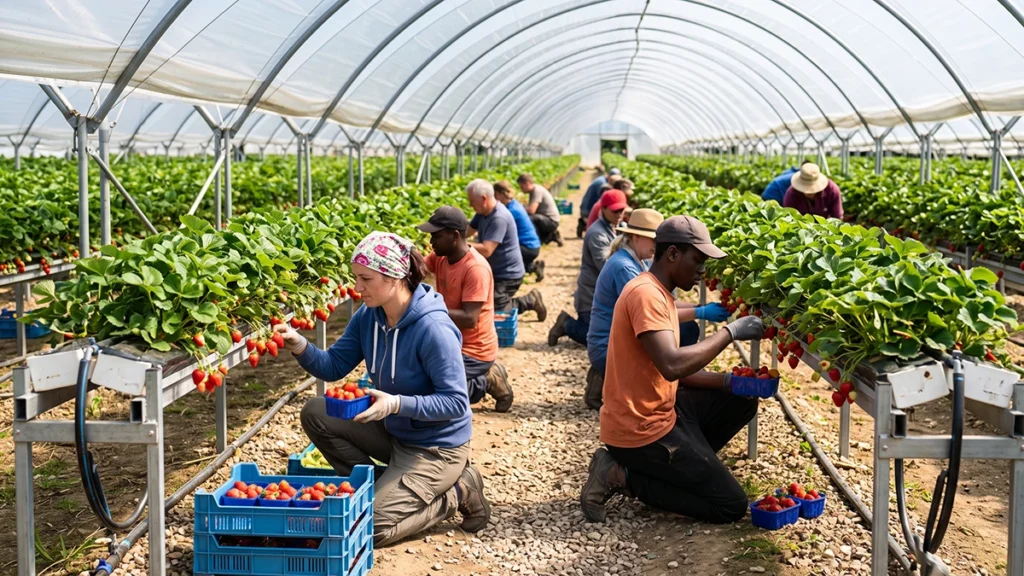
Securing farm jobs with visa sponsorship is one of the most accessible routes for foreigners looking to work in the UK agricultural sector. This step-by-step guide explains exactly how to find licensed scheme operators, avoid scams, and apply legally for the 2026 seasons.
Quick Facts: UK Agricultural Visas
Official Visa Route: Seasonal Worker visa (Temporary Work)
Maximum Duration: Up to 6 months within any 12-month period
Application Fee: £298 (excluding travel and initial living costs)
Sponsorship Requirement: Applications must be handled by government-approved scheme operators, not directly by individual farms.
Family Members: Dependants cannot be included on this specific temporary route.
Table of Contents
The Reality of UK Agricultural Work in 2026
British farms depend heavily on international labour to harvest crops, process poultry, and manage dairy operations. Following changes in immigration policies over the last few years, the UK government established specific visa pathways to ensure farms do not lose their crops due to domestic labour shortages.
For foreigners looking to enter the UK job market, the agricultural sector remains one of the most accessible routes, primarily because it often requires little to no prior experience and relies on high-volume seasonal recruitment.
However, finding farm jobs with visa sponsorship in uk for foreigners is not as simple as sending a CV to a local farmer in Devon or Kent. The UK Home Office heavily regulates who can bring foreign workers into the country.
Individual farm owners rarely hold the licenses required to sponsor workers directly. Instead, they rely on government-approved recruitment agencies—known as scheme operators—to manage the hiring, sponsorship, and placement of international workers.
This guide breaks down exactly how the system works, which companies you need to contact, what the daily reality of the work looks like, and how to protect yourself from fake recruitment scams. Whether you are looking for fruit picking jobs with visa sponsorship UK or a more permanent farm manager job with visa sponsorship uk, understanding the legal routes is your first step.
This guide breaks down exactly how the system works, which companies you need to contact, what the daily reality of the work looks like, and how to protect yourself from fake recruitment scams. Whether you are looking for seasonal fruit picking roles or a permanent farm manager position, understanding the legal routes is your first step. To make your search easier and see which UK employers are actively hiring from overseas right now, you can explore the latest verified opportunities directly onVisajobz.
Understanding the UK Seasonal Worker Visa (Temporary Work)
If you are applying for general farm labour, you will almost certainly be using the Seasonal Worker visa. This visa allows individuals to come to the UK for a short period to do specific types of agricultural work.
What is Covered Under the Seasonal Worker Visa?
The scheme is strictly divided into two distinct sectors:
- Horticulture (Up to 6 months): This covers picking soft fruits (strawberries, raspberries), top fruits (apples, pears), vegetables, flowers, and vines.
- Poultry (Up to 6 months): This applies to catching, processing, and plucking birds, usually aligning with the busy periods leading up to the winter holidays.
Visa Rules and Limitations
- Duration: You can stay in the UK for up to six months within any 12-month period. Once your visa expires, you must leave the country. You cannot switch to another visa type from within the UK while on a Seasonal Worker visa.
- Costs involved: The visa application fee is £298. However, you must also consider the costs of your flights, your initial transport from the UK airport to the farm, and enough savings to support yourself until your first paycheck (usually around £200-£300).
- Dependants: You cannot bring your partner or children with you on this specific visa route.
Age and Financial Proof: You must be at least 18 years old on the date you apply. The Home Office also requires proof that you will not rely on public funds upon arrival. You typically need to show at least £1,270 in your bank account, held for 28 consecutive days before applying. However, if your scheme operator guarantees your maintenance on the CoS (which many do), you won’t need to provide this bank statement.
Skilled Worker Visa: The Alternative for Experienced Professionals
The Seasonal Worker route is temporary, but what if you want a permanent move? If you hold a degree in agriculture or possess years of specialized experience, you might qualify for the Skilled Worker visa. Roles such as agronomists, dairy herd managers, and farm managers fall under this category.
A farm manager job with visa sponsorship uk offers a completely different lifestyle. It comes with a long-term contract (typically 3 to 5 years), a much higher salary threshold (usually £38,700 minimum, though there are discounts for shortage occupations or young workers), and the ability to bring your family. Unlike seasonal work, you apply directly to large agricultural enterprises or corporate farming groups for these roles, rather than going through seasonal scheme operators.
Securing a permanent agricultural role is a completely different process to seasonal picking. Farms aren’t just looking for physical stamina here; they desperately need specific technical skills to keep modern, data-driven operations running smoothly. If you work as a qualified agronomist, a dairy herd manager, or a heavy machinery technician, you should focus entirely on the Skilled Worker visa route rather than seasonal schemes.
To go down this path, you must land a firm job offer from a UK agricultural business that holds a valid sponsor licence. Because you are applying directly to the employer rather than through an agency, your CV has to do a lot of heavy lifting. Make sure it highlights your commercial farming experience, relevant qualifications, and hands-on familiarity with modern agricultural tech. Keep in mind that you’ll also need to meet specific salary thresholds and pass an approved English language test before applying. It requires far more upfront effort, but it provides a reliable path to long-term UK residency and allows you to bring your family over.
UK Agriculture Visa Sponsorship Company List: The Approved Operators
If you are looking for seasonal farm work UK for foreigners with visa sponsorship, you must apply through an official scheme operator. These are the only companies authorised by the UK government to issue Certificates of Sponsorship (CoS) for seasonal agricultural workers. Contacting individual farms directly will waste your time, as they will simply redirect you to these agencies.
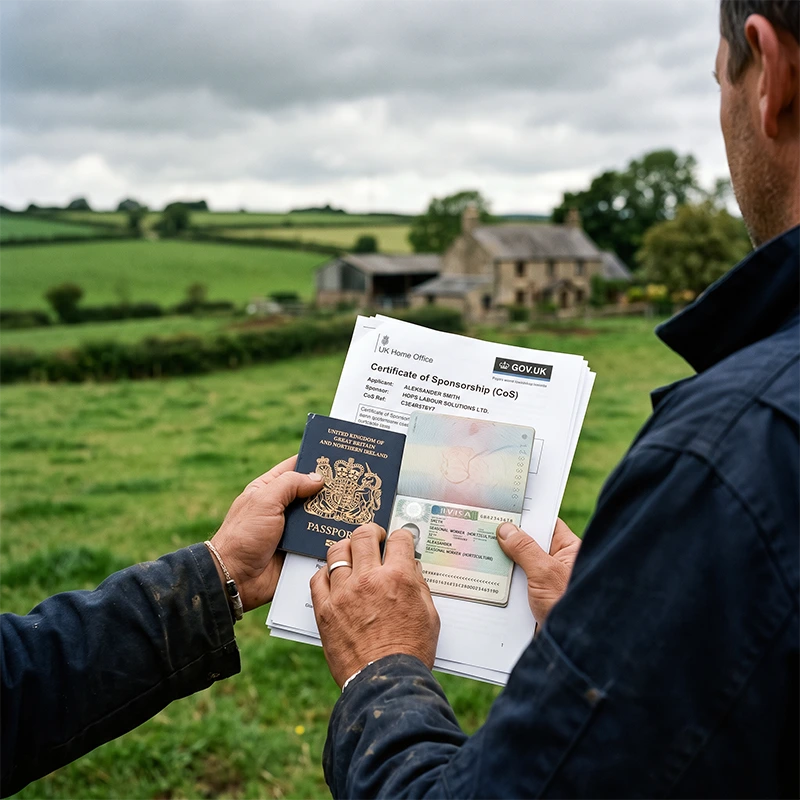
Here is the current operational UK agriculture visa sponsorship company list for 2025/2026.
1. Concordia
Concordia is one of the oldest and most established labour providers in the UK agriculture sector. Originally founded as a youth exchange charity, it now manages thousands of seasonal workers every year. They place workers in over 200 farms across the UK.
- Focus: Horticulture (berries, apples, vegetables).
- How to apply: Concordia uses a network of partner agencies in different countries. You must check their official website to find the approved representative for your home country and apply through them.
2. Pro-Force
Pro-Force is a major recruitment business that handles both the logistics and the compliance of bringing workers to the UK. They operate large processing centres and supply labour to some of the biggest supermarket suppliers in the country.
- Focus: Horticulture and poultry.
- How to apply: They frequently post updates on their corporate website regarding recruitment windows. They often open applications for specific regions at different times of the year.
3. Agri-HR
Agri-HR specialises in sourcing candidates globally for the UK food and agriculture supply chain. They are known for providing clear guidance on the visa process and have a robust system for matching workers to specific farming environments.
- Focus: Soft fruit, field vegetables, and glasshouse work.
- How to apply: Candidates can register their interest directly on the Agri-HR website when the recruitment pools are open.
4. Fruitful Jobs
As the name suggests, this agency focuses heavily on orchards and soft fruit farms, primarily located in regions like Herefordshire, Kent, and the West Midlands.
- Focus: Fruit picking, packing, and pruning.
- How to apply: They maintain an online portal where applicants can upload their details and wait to be matched with a farm requiring their specific timeframe of availability.
5. HOPS Labour Solutions
HOPS is an arm of the National Federation of Young Farmers’ Clubs. They have deep roots in the British farming community and place a strong emphasis on worker welfare and safe accommodation standards.
- Focus: Horticulture.
- How to apply: Registration is done via their online candidate portal, usually opening early in the year for summer placements.
6. Wesbridge Associates
Wesbridge manages workers specifically for the seasonal scheme, ensuring compliance with both UK immigration law and agricultural labour standards.
- Focus: General horticulture and poultry.
- How to apply: Applications are managed through their corporate site, often requiring a preliminary screening questionnaire.
Warning: Never search for general terms like farm jobs with visa sponsorship uk in the last 3 days on unverified job boards without cross-referencing the employer with this official list. If a company claims they can sponsor your seasonal visa but they are not on the government’s approved operator list, they are operating illegally or attempting to scam you.
Types of Farm Jobs Available for Foreign Workers
The agricultural sector offers several distinct environments. Understanding what each job entails will help you decide which roles suit your physical capabilities and preferences. If you are specifically searching for agriculture jobs with visa sponsorship in uk, here are the main categories:
Fruit Picking and Horticulture (No Experience Required)
This is the most common entry route. Fruit picking jobs with visa sponsorship UK usually involve harvesting strawberries, raspberries, apples, or working in massive glasshouses picking tomatoes and peppers.
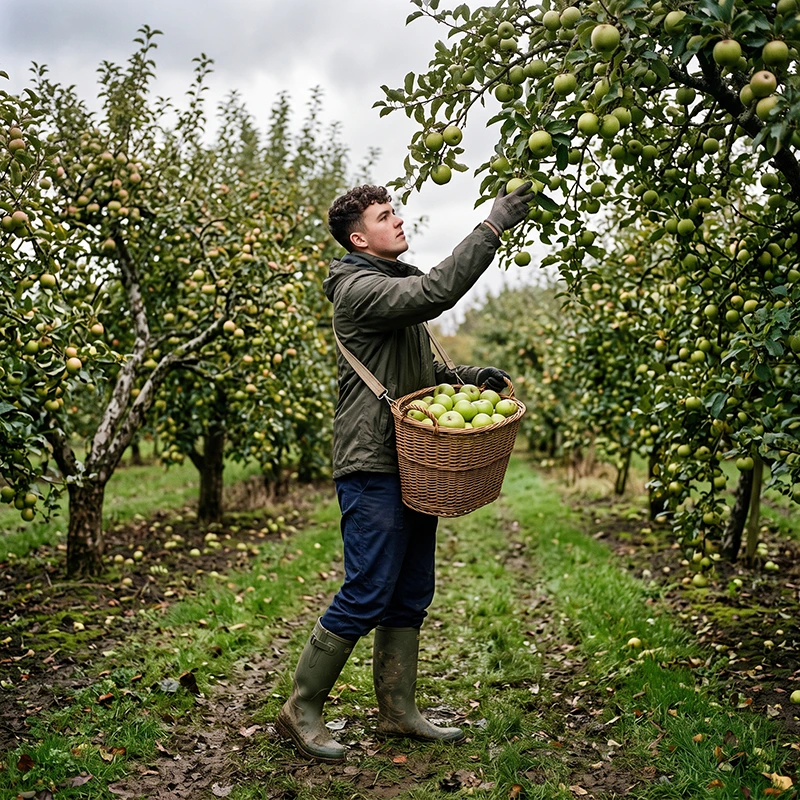
- The Reality of the Work: The work is highly physical. Strawberry picking often requires pushing heavy trolleys down long polytunnels or standing on elevated platforms. Apple picking involves carrying heavy bags strapped to your chest while climbing ladders.
- Pay Structure: You are paid the National Living Wage, but many farms operate a “piece-rate” bonus system. If you pick faster than the standard target, you earn a bonus on top of your hourly wage. If you consistently fail to meet the minimum picking targets, you may face warnings or have your contract terminated.
Dairy Farm Work
Dairy farm jobs in uk with visa sponsorship salary structures differ significantly from fruit picking. Dairy farming is a year-round operation, meaning these roles are sometimes offered under the Skilled Worker visa rather than the seasonal route, provided the applicant has relevant veterinary or herd management experience.
- The Reality of the Work: Dairy jobs require early mornings—often starting at 4:00 AM for the first milking session. The work involves cleaning parlours, attaching milking clusters to cows, monitoring animal health, and operating farm machinery.
- Salary: Salaries typically range from £25,000 to £35,000 per year, often including accommodation on the farm, which significantly reduces living costs. Searching for dairy farm jobs with visa sponsorship in uk requires looking beyond seasonal operators and checking specialist agricultural recruitment boards.
Poultry Farm Jobs
Poultry farm jobs with visa sponsorship in uk are intense, fast-paced, and largely concentrated around the autumn and early winter months in preparation for the Christmas market.
- The Reality of the Work: The work involves catching live birds in large sheds, packing, and processing. It is dusty, noisy, and physically demanding. Workers must adhere strictly to bio-security measures.
- Pay Structure: Paid at the standard hourly rate, often with overtime available during peak processing weeks.
Unskilled Rural Work
For those searching for no experience needed rural farm worker with visa sponsorship, horticulture remains the primary option. Farms do not expect you to know how to drive a tractor or operate a combine harvester. They provide all necessary training for manual picking, packing, and sorting lines. The only requirement is physical fitness, a strong work ethic, and the ability to follow health and safety instructions in English. This is the definition of unskilled farm jobs with visa sponsorship in uk.
Step-by-Step Guide: How to Apply from Scratch
Navigating international recruitment requires organization. Here is the exact process you need to follow if you want to secure a job for the upcoming season, particularly if you want to uk farm jobs with visa sponsorship 2025 apply online.
Step 1: Prepare Your Documentation
Before you even look at a job board, get your paperwork in order. You need:
- A passport that is valid for at least six months beyond your intended return date.
- A clean criminal record (you will likely need to provide a police clearance certificate from your home country).
- A basic CV in English. Highlight any physical labour, factory work, or previous agricultural experience.
Step 2: Register with the Approved Operators
Do not apply to random farms. Go to the websites of Concordia, Pro-Force, Agri-HR, and the others listed above.
- Look for the section marked “Seasonal Workers” or “Apply Now”.
- Fill out their online registration forms. Be honest about your availability dates. Farms prefer workers who can commit to the full six-month visa period.
Step 3: The Interview and Screening Process
If an operator selects your profile, you will be invited to an online interview (usually via Zoom or Microsoft Teams). This is rarely a formal corporate interview. The recruiters want to assess two things:
- Basic English comprehension: Can you understand safety instructions?
- Realistic expectations: Do you understand that you will be working outside in the rain, bending over for eight hours a day, living in a shared caravan?
Step 4: Receiving the Certificate of Sponsorship (CoS)
If you pass the interview and a farm accepts you, the scheme operator will issue you a Certificate of Sponsorship reference number. This is a digital record, not a physical piece of paper. You cannot apply for your visa without this number.
Step 5: Applying for the Visa
Once you have your CoS, go to the official GOV.UK website.
- Fill out the Seasonal Worker visa application.
- Pay the £298 application fee.
- Book an appointment at a local visa application centre in your country to provide your biometrics (fingerprints and photograph).
- Wait for the decision, which usually takes around three weeks.
Note on old terminology: You might still see online forums or older farm workers referring to this as the “Tier 5 visa”. The government rebranded the immigration system a few years ago, so whilst the Tier 5 label is officially retired, the rules for temporary agricultural work remain practically identical.
Location Focus: Scotland vs. England
Many candidates specifically look for farm jobs in scotland with visa sponsorship for foreigners. The experience differs depending on where you are placed in the UK.
Farming in Scotland
Scotland is famous for its soft fruits, particularly raspberries and blueberries, grown in regions like Angus, Fife, and Perthshire.
- The Environment: The weather is cooler and more unpredictable than in the south of England. You will need high-quality waterproof gear. The scenery is spectacular, but farms can be extremely remote, meaning trips to the local supermarket might require a coordinated minibus ride once a week.
- The Season: The berry season in Scotland generally peaks a little later in the summer compared to England, extending well into September and October.
Farming in England
Regions like Kent (the “Garden of England”), Herefordshire, and East Anglia dominate the agricultural sector.
- The Environment: The weather is generally warmer, and farms are often closer to large towns or cities. If you are looking for uk farm jobs with visa sponsorship 2025 london, be aware that there are no commercial farms inside London itself. However, farms in Kent, Surrey, and Essex are only a one-to-two-hour train ride from the capital, making weekend day trips possible.
Salary, Accommodation, and Living Conditions
Understanding the financial reality is vital before accepting a contract. You are protected by UK labour laws, meaning you must be paid the legal minimum wage and your living conditions must meet strict government standards.
Expected Salary and Deductions (Estimated for 2025/2026)
| Financial Element | Description | Expected Amount |
| Hourly Pay | National Living Wage (Subject to annual April increases). | £11.44+ per hour |
| Weekly Hours | Typical working week during peak season. | 35 to 48 hours |
| Accommodation | Statutory offset limit for housing provided by the employer. | Approx. £69 – £75 per week |
| Tax (PAYE) | Income tax on earnings above the personal allowance (£12,570/year). | 20% on eligible earnings |
| National Insurance | Mandatory contribution for social security benefits. | 8% on eligible earnings |
The Reality of Farm Accommodation
Almost all seasonal workers live on the farm in static caravans.
- The Setup: A typical caravan houses four to six people. You will usually share a twin bedroom with one other person. The caravan has a shared kitchen, a small living area, and a bathroom.
- The Cost: The farm will deduct rent directly from your weekly paycheck. The UK government sets a strict limit on how much an employer can deduct for accommodation (the accommodation offset rate), ensuring farmers cannot exploit workers through high rent charges.
- Facilities: Most large farms have dedicated worker camps featuring Wi-Fi zones, laundry blocks, and recreation rooms.

What the Community Says: Reddit and Forum Insights
To get a true picture of the experience, it helps to look at what actual workers discuss on platforms like Reddit (r/ukvisa, r/farming) and international expat forums.
- The Physical Toll: The most common theme across all forums is the physical shock of the first two weeks. Users frequently advise new arrivals to bring deep heat cream and good quality insoles for their boots. As one user noted, “Your back will hate you for the first 10 days, but your muscles adapt. Don’t quit in the first week.”
- The Weather Factor: Many workers are surprised by the dampness of the UK climate, even in summer. The consensus advice is to invest in breathable waterproof layers rather than heavy winter coats, as the work keeps your body temperature high.
- Financial Savings: Several forum threads highlight the savings potential. Because rent is cheap and farms are often isolated (meaning fewer opportunities to spend money at pubs or shops), workers who manage their budget carefully report taking significant savings back to their home countries.
- Agency Reviews: Workers generally report positive experiences with the large operators like Concordia and Pro-Force regarding legal compliance. However, frustrations are sometimes vented about communication delays during the matching process, where a worker might wait weeks between registering and receiving a farm assignment.
9. Red Flags: Spotting Scams and Fake Sponsorships
The demand for UK farm jobs with visa sponsorship 2026 has created a massive market for scammers targeting vulnerable workers in developing nations. You must be vigilant. Here are the absolute rules for avoiding agricultural recruitment fraud.
- Never pay for a job offer. It is strictly illegal under UK law for an agency or an employer to charge a worker a fee for finding them employment. If an “agent” asks you to pay £1,000 for a CoS or a guaranteed job, it is a scam. You only pay the official visa fee directly to the UK government portal.
- Check the email address. Scammers often use generic email accounts (like uk.farm.jobs@gmail.com). Official scheme operators will always communicate from their corporate domain (e.g., name@pro-force.co.uk).
- Cross-reference the sponsor list. If a company claims to offer farm jobs with visa sponsorship, search for their exact name on the UK government’s Register of Licensed Sponsors. If they are not on the list, they cannot sponsor you.
- Beware of unrealistic promises. If a recruiter promises you a luxury apartment in London and a management salary for picking fruit, walk away. Seasonal work involves caravans, early starts, and minimum wage.
Transitioning from Temporary to Permanent
While the Seasonal Worker visa strictly forbids extending your stay or switching visas from within the UK, some workers use the experience as a stepping stone.
If you secure an unskilled farm jobs with visa sponsorship in uk role, you have the opportunity to build relationships with British agricultural businesses. If you discover a passion for the industry and possess the aptitude, you might return to your home country, gain further formal qualifications in agriculture or animal husbandry, and apply for a Skilled Worker visa in the future.
The UK is currently facing severe shortages in specialized roles such as dairy technicians, agricultural machinery mechanics, and herd managers. Finding a permanent sponsor for these roles requires a polished CV, verifiable references from past farm work, and direct negotiation with large agricultural enterprises rather than seasonal agencies.
Frequently Asked Questions (FAQ)
Can I apply for UK farm jobs with visa sponsorship 2026 right now?
Recruitment for the seasonal scheme operates in cycles. For the summer harvest (May to September), operators typically open their registration portals between November and February. It is best to monitor the websites of the approved operators closely to catch the registration windows.
Are there dairy farm jobs with visa sponsorship in the UK?
Yes, but they are structured differently. Because cows need milking year-round, these jobs do not fit the 6-month Seasonal Worker visa. They are usually filled via the Skilled Worker visa, meaning you need to secure a job offer from a licensed dairy farm and meet the required skill and salary thresholds.
Do I need to speak fluent English?
While you do not need to pass a formal IELTS language test for the Seasonal Worker visa, you must have a basic understanding of English. Farms operate heavy machinery, and you must be able to understand health and safety briefings and communicate effectively with supervisors.
What happens if I want to leave my assigned farm?
If you arrive at a farm and the conditions are poor or the management is abusive, you are not trapped. You must contact your scheme operator (the agency that issued your CoS). They have a duty of care and can transfer you to a different farm within their network. You cannot, however, independently leave the farm to work in a pub or a construction site; your visa is strictly tied to agricultural work approved by your operator.
Is it possible to find farm jobs with visa sponsorship near London?
The centre of London has no agriculture. However, the counties surrounding London—Kent, Essex, Surrey, and Hertfordshire—have numerous fruit and vegetable farms. When you apply through an operator, you can mention a preference for the South East, though placements ultimately depend on where the labour is needed most.
Can I switch from a Seasonal Worker visa to a Skilled Worker visa whilst in the UK?
No. Immigration rules strictly prohibit switching routes from within the UK on this specific short-term visa. If a farm offers you a permanent, sponsored role, you must physically return to your home country and submit an entirely new application.
Can I get a permanent farm manager job with visa sponsorship in the UK?
Yes, but not through the seasonal scheme operators. Permanent roles like farm managers, agricultural engineers, and senior dairy technicians fall under the Skilled Worker visa. You need to apply directly to large farming enterprises or corporate agricultural groups that hold a direct sponsorship licence.